Introduction
The kitchen appliance market has shifted dramatically over the past decade. Where full-size blenders once dominated countertops, personal blenders have carved out a significant niche for people who want convenience without sacrifice. The rise of health-conscious eating, smoothie diets, and on-the-go lifestyles has made single-serving blenders increasingly central to modern cooking.
If you’ve been curious about personal blenders or considering whether one might fit into your kitchen routine, understanding what they do—and how different models approach that task—matters more than you might think. A blender that works beautifully for frozen fruit preparations might struggle with nut butters, or vice versa. Power ratings, cup sizes, and specific features all influence both what you can make and how seamlessly the appliance integrates into your daily habits.
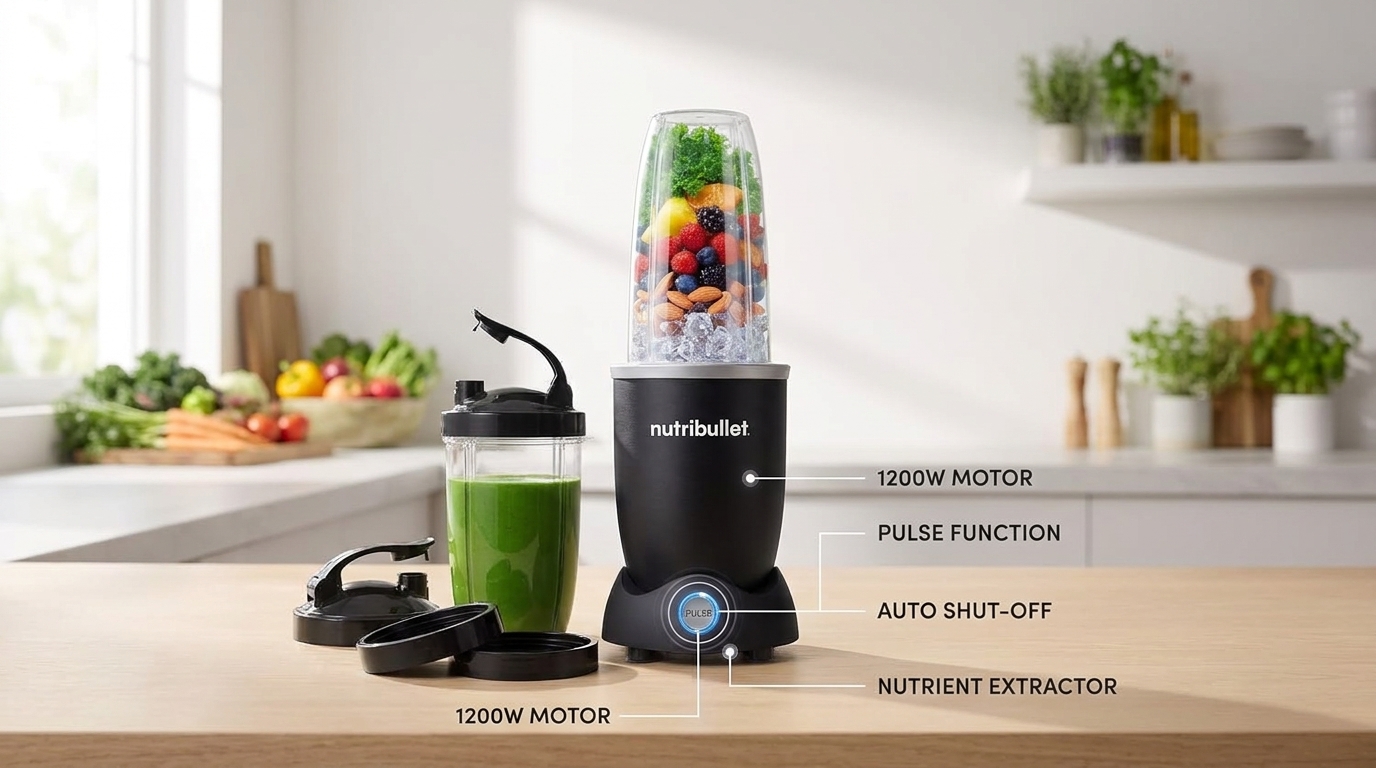
This guide explores one specific option in this category: the NutriBullet Pro+ Personal Blender. We’ll examine what this device actually does, who it might serve well, and what practical considerations should influence any decision. Rather than oversimplifying the choice into a yes-or-no recommendation, we’ll walk through the details that matter.
What Personal Blenders Actually Do
Before diving into a specific model, it’s worth understanding the category itself. Personal blenders represent a narrower application than their full-size counterparts. They’re engineered primarily for:
- Single-serving beverages: Smoothies, protein shakes, and nutritional drinks
- Sauce preparation: Salsas, pesto, and other fresh condiments
- Nut and seed processing: Creating butters and powders from whole ingredients
- Quick purees and blends: Mixing soft to moderately firm ingredients
The defining characteristic is their size. Personal blenders typically work with cups ranging from 16 to 32 ounces, compared to full-size blenders that often reach 48-72 ounces or more. This size constraint isn’t a limitation in every scenario—it’s often the point. For someone making one smoothie each morning or processing small batches of fresh salsa, the smaller footprint means less counter space, easier storage, and often simpler cleanup.
Getting to Know the NutriBullet Pro+ 1200W
The NutriBullet Pro+ sits in the mid-to-upper range of personal blender options. Its 1200-watt motor represents meaningful power for this category. To contextualize: many personal blenders range from 600 to 900 watts. A 1200-watt motor suggests this device is built to handle tougher ingredients and more demanding blending tasks than entry-level alternatives.
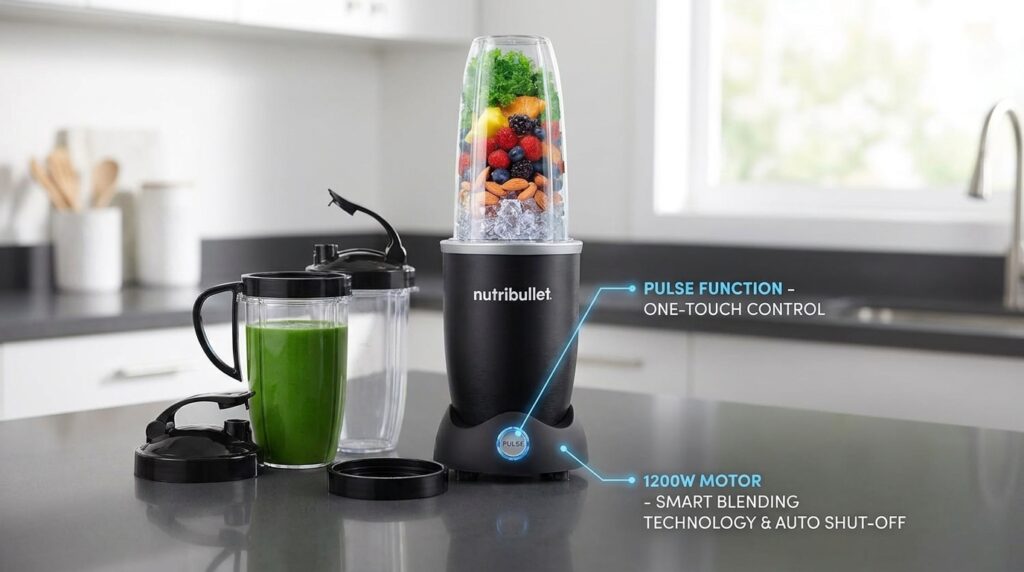
The package typically includes two serving cups—a 32-ounce model and a 24-ounce option. This dual-cup approach is practical. The larger cup suits bigger smoothie servings or when you’re blending for two people in sequence, while the smaller cup works for concentrated smoothies, concentrated drinks, or when you’re working with smaller ingredient quantities.
The “Pro+” designation within the NutriBullet line indicates this model occupies a specific position in the brand’s hierarchy. Understanding where it sits helps establish realistic expectations. It’s not NutriBullet’s entry-level model, but it’s also not their commercial-grade option. It’s positioned as a serious tool for regular use without crossing into industrial territory.
Core Features and Their Practical Meaning
The 1200-Watt Motor
Power matters in blending, though in different ways for different tasks. A 1200-watt motor excels at breaking down ingredients quickly and thoroughly. Leafy greens, frozen fruit, ice, and nuts all blend more efficiently with higher wattage. This power also means the motor can handle these demands repeatedly without straining.
For practical purposes, this means you can make smoothies back-to-back without the motor overheating and shutting down. If you’re preparing drinks for a household or making multiple servings throughout the day, this throughput matters.
Pulse Function
The pulse feature deserves specific mention because it fundamentally changes how you can use the device. Pulsing gives you manual control over blending intensity. Rather than letting the motor run continuously until a set time expires, you activate the motor in short bursts. This approach works well for:
- Achieving specific textures: Chunky salsa rather than pureed salsa, or a smoothie with some berry texture remaining
- Preventing over-blending: Ingredients like avocado can transform from creamy to separated if blended too long
- Controlled mixing: Combining dry ingredients without creating a over-processed flour-like consistency
Professional cooks and experienced smoothie makers often prefer having pulse control. It transforms the appliance from a timed device into a tool that responds to what you’re creating.
Auto Shut-Off Feature
The automatic shut-off is a practical safety feature. After the motor has operated continuously for a certain period, it stops automatically. This prevents the motor from overheating if someone forgets to switch it off or if it’s left running unattended. For a device that sits on a counter and gets regular use, this adds a layer of protection for the equipment itself and anyone in the kitchen.
The 32-Ounce and 24-Ounce Cups
The inclusion of two different-sized cups reflects that not every blending task requires the same capacity. The 32-ounce cup can hold a generous single serving or a smaller drink for two people. Many people use this size for morning smoothies or meal-replacement shakes. The 24-ounce option works well for concentrated smoothies, smaller portions, or when you’re traveling and want something compact for transport.
Both cups serve another important function: they can be used for drinking directly from the cup itself. Rather than blending in a separate container and then pouring into a cup, you blend and drink from the same vessel. This means fewer dishes and a more streamlined workflow.
What You Can Actually Make
Personal blenders like this one handle a broader range of tasks than their name might suggest. Understanding realistic uses helps determine whether the device fits your needs.
Smoothies and Blended Drinks
This is the primary use case. Soft fruits, yogurt, milk or milk alternatives, and protein powder all blend easily. The 1200-watt motor handles frozen fruit effectively, which matters if you prefer cold, thick smoothies. Ice processing works well too, making this suitable for frozen beverages and smoothie bowls (though you’d need to transfer the thicker mixture to a bowl rather than drink from the cup).
Nut and Seed Butters
With sufficient power and the right technique, personal blenders can process nuts into butter. However, this requires patience and doesn’t happen as quickly as with dedicated nut butter machines or full-size blenders. You’ll need to pulse repeatedly, letting the motor rest between pulses to prevent overheating. It’s possible, but whether it’s convenient depends on how often you’d do this.
Salsas and Fresh Sauces
The included cups are sold specifically as blending vessels for salsas. Fresh tomatoes, cilantro, onions, and peppers blend together relatively quickly. The key is not over-blending—you want texture in salsa, not a completely smooth puree. The pulse function becomes valuable here. You can achieve that chunky-but-combined consistency more easily with manual control.
Soups and Warm Ingredients
Technically, you can add warm (not hot) broth and ingredients to create soups. The friction created by blending can warm the mixture slightly. However, this isn’t ideal with cold-blending personal blenders. The design prioritizes cold smoothies and thick drinks rather than soup preparation. If you frequently need hot soup capability, a full-size blender designed for hot content might serve you better.
Dry Grinding
Spices, seeds, and grains can be ground into powders, though the consistency might be grainier than with devices specifically designed for grinding. This is supplementary capability rather than a primary function.
Who This Blender Might Suit Well
Understanding whether this particular model aligns with your lifestyle matters more than abstract feature lists.
Regular Smoothie Makers
If you consistently prepare smoothies several times per week, a dedicated personal blender streamlines your routine. The dedicated cups mean you can blend and drink without transferring. The 1200-watt motor handles repetitive use without strain. For someone in this pattern, the investment makes genuine sense.
People With Limited Counter Space
Full-size blenders demand real estate. Personal blenders occupy a footprint smaller than a coffee maker. If your kitchen is compact or you’re concerned about clutter, a slimline personal blender uses space more efficiently. Some people store them in cabinets and only bring them out when needed.
Households With Different Preferences
When household members want different smoothie compositions or sizes, having two different cups lets you make multiple drinks sequentially without washing between each batch. One person might want a 32-ounce green smoothie while another wants a 24-ounce protein shake.
People Seeking Simplicity
There’s something to be said for straightforward appliances. Personal blenders have fewer components than full-size blenders. Fewer components mean fewer things to clean, fewer settings to navigate, and generally less complexity.
Travelers and Portable Smoothie Enthusiasts
If you travel regularly or want smoothie capability outside your home kitchen, personal blenders travel better than their full-size counterparts. Some people appreciate being able to pack a blender for extended trips or bring portable smoothie capability to the office.
Who Might Want to Consider Alternatives
Not every kitchen situation aligns perfectly with personal blender strengths.
Large-Batch Cooking
If you regularly prepare food for big groups, batch-make smoothies for the week, or blend soups in large quantities, a personal blender’s 32-ounce maximum capacity becomes frustrating. You’d spend significant time running multiple cycles. Full-size blenders serve this need more efficiently.
Complex Cooking Needs
Some recipes demand specific capabilities—heating ingredients through friction, grinding grains into flour, creating nut milks in large quantities. While personal blenders can technically attempt these tasks, doing so repeatedly or at scale becomes cumbersome.
Primary Cooking Focus on Warm Dishes
If most of your blending involves warm soups, sauces, or cooked ingredients, personal blenders work less ideally. Though marketed for smoothies, they’re less enthusiastically designed for temperature management compared to some full-size alternatives.
Important Practical Considerations
Motor Durability and Continuous Use
A 1200-watt motor is robust, but motors have limits. Running the device continuously for extended periods generates heat. The auto shut-off feature provides protection, but respecting the motor’s needs extends its life. Taking breaks between back-to-back blending sessions is wise. Most manufacturers suggest not running motors continuously for longer than 60-90 second intervals, then allowing cooldown time.
Blade Sharpness Over Time
Blender blades eventually dull from repeated use. This doesn’t typically mean the blades need replacement immediately—you often notice gradual performance decline rather than sudden failure. Understanding that blade effectiveness diminishes over years of use helps set realistic expectations about long-term performance.
Liquid Requirements
Blenders need sufficient liquid to operate effectively. If you’re making very thick smoothies or attempting dry grinding, you might need to add more liquid than you’d like, which changes the final result. Some people work around this by adding liquid in stages—partially blending, then adjusting.
Noise Levels
Personal blenders running at 1200 watts generate noise. They’re not silent appliances. If you live with people who sleep late or work from home and need quiet, consider when you’ll be blending. Some people use their personal blenders earlier in the day specifically to manage household noise.
Heat Generation
Friction creates heat. Blending for extended periods, especially with large quantities of nuts or seeds, can generate warmth in the motor. This is normal but worth respecting. Taking breaks rather than continuous operation keeps the motor healthier.
Cleaning and Maintenance
Two cups are included, but they still need washing. The blending assembly involves a motor base and removable cups. The motorized base typically isn’t fully waterproof—you clean it carefully, usually just wiping rather than submerging. The cups and blades themselves should be cleaned promptly after use before dried smoothie or other ingredients harden.
Personal Blenders vs. Other Blender Categories
Understanding how personal blenders compare to other options helps clarify which category actually serves your needs.
Personal Blenders vs. Full-Size Blenders
Full-size blenders typically range from 1500 to 3000+ watts with capacities of 48 ounces or larger. They handle larger batches, hotter ingredients, and more demanding tasks. The trade-off is counter space and generally higher price points. Personal blenders excel when you want something compact for individual servings. Full-size blenders win when you’re processing volume or need commercial-grade power.
Personal Blenders vs. Food Processors
Food processors and personal blenders serve different purposes, though they sometimes overlap. Processors work well for dry ingredients, chopping vegetables, making pie crust, and other solid-focused tasks. They typically operate from above, dropping ingredients into a wide bowl with a center rotating blade. Personal blenders work from bottom-up with high-speed friction. Processors struggle with completely liquid mixtures; blenders struggle with dry grinding. Some kitchens benefit from both because they excel at genuinely different tasks.
Personal Blenders vs. Immersion Blenders
Immersion blenders (stick blenders) excel at in-pot blending and smaller batches. They’re versatile and compact. The trade-off is less powerful motor and less thorough blending for complex ingredients. An immersion blender might puree soup in a pot or whisk eggs, but it typically won’t handle consistent frozen fruit or tough nuts as efficiently as a personal blender with higher wattage.
Personal Blenders vs. Juicers
Juicers extract liquid from produce, leaving pulp behind. Blenders process entire ingredients into smooth or textured drinks. They produce different results. Juices are typically thinner and contain primarily juice; smoothies retain fiber and nutrients from the whole fruit. Some people want juice; others prefer the nutritional density of smoothies. These are different tools solving different problems.
Setup, Maintenance, and Longevity
Initial Setup
Personal blenders typically arrive with minimal assembly. The motor base, cups, and blades usually come pre-assembled or require only connecting the blade assembly to a cup. No complicated installation process exists for most models.
Regular Cleaning
Immediate post-use cleaning prevents ingredient buildup. Running the blender halfway full with warm water and a drop of dish soap, then blending for 10-15 seconds, often loosens most debris. The cups can go in the dishwasher on most models, though checking the manual confirms specific guidance.
Blade Replacement
Replacement blade assemblies can typically be purchased if blades eventually dull beyond usefulness. This extends the appliance’s effective life without replacing the entire device.
Storage
Personal blenders store in cabinets, under sinks, or on counters depending on your preference and available space. Some people wrap the cord neatly to prevent tangling.
Frequently Asked Questions
Can a personal blender handle ice? Yes, a 1200-watt motor can process ice effectively, though you’ll achieve better results if ice comprises just part of the mixture rather than the entire volume. Adding liquid helps the blending process work more efficiently.
How loud is this blender? Personal blenders operating at 1200 watts are noticeably loud—roughly equivalent to a conventional food processor or full-size blender, though typically not as intense as commercial equipment. Sound levels make early morning or late evening blending potentially disruptive in shared living situations.
Can you make hot soup in a personal blender? While you can technically blend warm (not hot) ingredients, personal blenders aren’t optimized for soups. The motor generates friction heat but doesn’t cook ingredients. You’d still need to heat the soup separately, either before or after blending. Full-size blenders designed for hot processing handle this more effectively.
How often can you use it? Daily use is fine, including back-to-back blending sessions. However, respecting cooldown periods between intensive blending sessions extends motor life. Think of it similarly to exercise—your muscles can handle daily exercise, but rest days remain beneficial.
Is it worth getting both cup sizes? The inclusion of both cups is practical. The larger cup serves most regular smoothie needs, while the smaller cup offers flexibility for concentrated drinks, travel, or when blending smaller ingredient quantities. Having both eliminates swapping out cups as often.
Will it blend whole fruits without cutting them up? Large or particularly hard fruits should be roughly chopped for safety and efficiency. Whole pineapples or large apples won’t blend well, and forcing them risks damaging the motor or blades. Reasonable preparation—cutting fruits into smaller chunks—ensures better results and safer operation.
How long should a personal blender last? Quality personal blenders typically operate effectively for three to seven years with regular home use. This depends heavily on usage intensity, maintenance, and care. Some models last longer with proper handling; others decline faster with neglect or intensive commercial-style usage.
Can you make nut butter? Yes, though it requires patience. Pulsing repeatedly, rather than continuous blending, works better. The process isn’t as efficient as full-size blenders or dedicated nut butter machines, but it’s possible for occasional use.
What’s the warranty typically like? Warranty terms vary by retailer and manufacturer. Standard warranties often cover defects for one year but don’t cover normal wear, misuse, or damage from improper maintenance. Reading specific warranty details before purchasing clarifies what protection you actually have.
The Bigger Picture: Does This Blender Fit Your Kitchen?
Choosing kitchen appliances effectively comes down to honest assessment of your actual usage patterns rather than aspirational ones. A personal blender makes sense if you regularly create smoothies and blended drinks and value convenience and counter space efficiency. It makes less sense if you rarely blend, need large-batch capability, or focus primarily on cooking rather than beverages.
The NutriBullet Pro+ 1200W sits firmly in the mid-to-upper range of personal blender options. The 1200-watt motor provides genuine power for this category. The pulse function offers control that many simpler personal blenders lack. The two included cups provide versatility. The auto shut-off adds practical safety.
These features collectively suggest this is a serious tool rather than a novelty appliance. If you’re considering a personal blender and expect regular use, the specifications here align with that expectation.
Conclusion
Personal blenders have become far more refined and capable than early iterations. Understanding what they do well, accepting their limitations, and assessing whether those capabilities match your actual kitchen needs creates the foundation for a good decision.
The NutriBullet Pro+ 1200W represents one approach to personal blending—emphasizing power, including useful features like pulse control, and packaging practical options with multiple cup sizes. Whether it’s the right choice depends entirely on your situation: your frequency of use, the types of ingredients you blend, your available counter space, and your budget.
The most satisfying kitchen appliances are the ones that genuinely integrate into your routine rather than sit unused. Consider whether a personal blender actually fits how you cook and eat before making any decision. If it does, focusing on models with the power and features to handle your planned usage makes genuine sense.