Introduction
The evolution of kitchen technology has fundamentally changed how we approach meal preparation, and portable blenders have emerged as a particularly practical addition to modern households. Whether you’re someone who travels frequently, maintains a busy schedule, or simply appreciates compact kitchen solutions, understanding the landscape of portable blending devices can help you make an informed decision about what might work for your lifestyle.
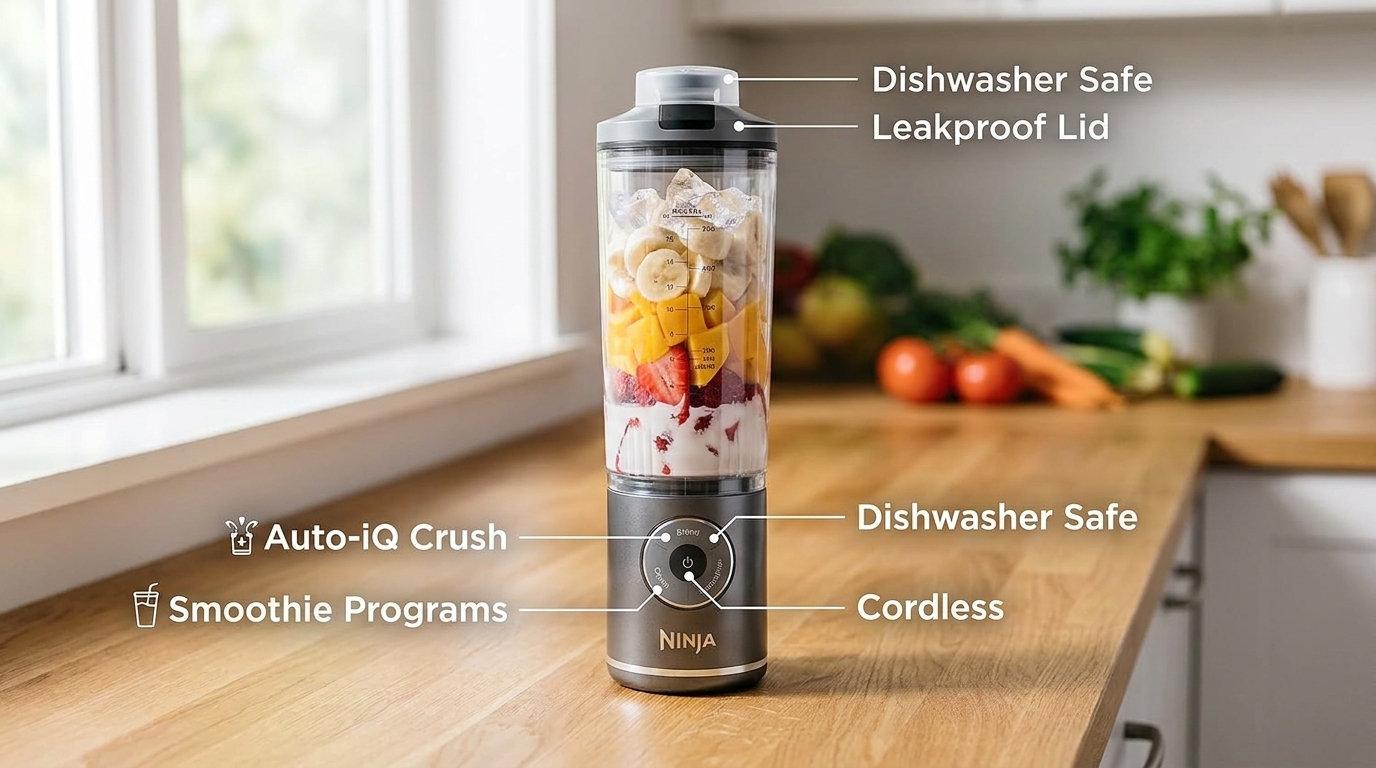
Portable blenders represent a category of appliances designed to bridge the gap between full-size countertop models and the limitations of manual preparation methods. They’ve become increasingly sophisticated in recent years, with manufacturers incorporating features that were once exclusive to larger, stationary units. The Ninja Blast Max Portable Blender, specifically the model BC251GY, exemplifies this trend toward more capable cordless devices that don’t necessarily require sacrificing performance for convenience.
This article explores what makes portable blenders practical for various situations, examines the specific features and capabilities of this particular model, and provides context for understanding how such devices fit into different daily routines and kitchen environments.
Understanding the Portable Blender Category
Before diving into the specifics of any individual model, it’s worth considering why portable blenders have gained traction in the consumer market. These devices emerged from a genuine need: the desire for blending capability that doesn’t require access to a kitchen, a power outlet, or significant counter space.
The category has matured significantly over the past decade. Early portable blenders often made substantial compromises in blending power and vessel durability to achieve portability. Contemporary models increasingly demonstrate that you don’t necessarily need to choose between capability and convenience as starkly as you once did. That said, cordless portable blenders do operate within certain physical constraints that differ from their full-size counterparts, and understanding these boundaries helps set realistic expectations.
The Ninja Blast Max represents the cordless portable category—devices that draw power from internal batteries rather than requiring a connection to a wall outlet. This design choice offers genuine advantages in terms of accessibility and convenience, though it does introduce considerations around battery capacity and charging cycles that stationary models simply don’t have.
Key Features of the Ninja Blast Max Portable Blender
The Twist & Go Vessel System
The removable 22-ounce vessel is perhaps the most distinctive aspect of this model’s design. Unlike some portable blenders where the blending cup is integrated into the motor base, the detachable vessel approach offers practical advantages worth considering.
A removable vessel means you’re not blending directly into the motor housing. From a maintenance perspective, this simplifies cleanup—the vessel itself can be separated from the motor base and washed in a standard dishwasher, along with the blade assembly. This design approach also means the motor base remains protected from the moisture and abrasive effects of washing.
The specific capacity of 22 ounces positions this device in the range suitable for individual servings or small-batch preparation. This size typically accommodates a standard smoothie, a small protein shake, or a portion of blended soup. It’s neither so small that you’re severely limited in what you can prepare, nor so large that the device becomes unwieldy or impractical to hold or store.
The “Twist & Go” naming suggests a straightforward attachment mechanism. Vessels designed with twist-on compatibility typically allow users to secure the cup to the base, activate the blending programs, and then remove it upon completion without requiring additional steps or tools. This kind of integrated design can reduce friction in the user experience—particularly relevant when portability is part of the appeal.
Auto-iQ Technology and Program Selection
The inclusion of Auto-iQ programs, specifically mentioned for Crush and Smoothie functions, represents an automated approach to blending. Rather than requiring users to manually adjust speed or duration, these preset programs ostensibly handle the timing and intensity automatically.
The Crush program addresses the common challenge of processing larger, denser items. Many portable blenders struggle when you attempt to blend frozen fruits, ice, or other hard ingredients with minimal modification. A dedicated crush program typically accounts for this by using a higher intensity or longer duration to break down these materials effectively.
The Smoothie program, conversely, is generally designed for ingredients that blend more readily—soft fruits, leafy greens, yogurt, and similar components that don’t require aggressive processing. This program might use moderate intensity and shorter duration, optimizing for texture and consistency rather than breaking down hard materials.
Having these preset options means users don’t need to develop expertise in adjusting speed settings or timing their blending cycles. For people who simply want a functional blending tool without needing to learn its operational nuances, preset programs reduce the learning curve significantly.
Cordless Operation and Battery Functionality
The cordless design is fundamental to this model’s portable positioning. Without a power cord requirement, the device can be used anywhere—during travel, at outdoor events, in offices, or in other environments where access to outlets might be limited or inconvenient.
Cordless operation does introduce the reality of battery management. While the product description doesn’t specify battery capacity, charging time, or number of cycles per charge, these are practical considerations for anyone considering a cordless appliance. Typically, portable blenders of this type can complete several blend cycles per charge, though the exact number depends on factors like the intensity of the program used, the type of ingredients being blended, and the battery’s overall capacity.
The trade-off implicit in cordless technology is straightforward: you gain freedom from outlet proximity but introduce the obligation to charge the device regularly and accept its inherent power limitations compared to corded models. For portable use cases, many users find this trade-off worthwhile.
Dishwasher-Safe Components
The notation that the device is dishwasher safe is practically significant, particularly for the removable vessel and blade assembly. Manual washing of blenders can be tedious and sometimes challenging—blenders have numerous crevices where food particles accumulate, and thoroughly cleaning them by hand requires care to avoid damaging components or, more importantly, accidentally cutting yourself on sharp blades.
Dishwasher-safe components simplify maintenance considerably. After using the blender, you can separate the vessel, place it in the dishwasher with your regular dishes, and allow the heat and jets of water to handle the cleaning work. The motor base itself typically remains hand-wash only, which is standard across the category and relates to protecting electrical components from excessive moisture.
It’s worth noting that while the components are dishwasher-safe, some users prefer hand washing blended components to extend their longevity. Dishwashers can be harsh on certain blade materials over extended periods, though this concern varies depending on the specific construction materials used.
Leakproof Lid Design
The inclusion of a leakproof lid addresses a critical practical concern with portable blenders. If you’re planning to blend something and then transport it—whether in a bag, backpack, or cup holder—a lid that actually maintains a seal is essential. A leaky lid turns a convenient portable solution into a messy problem.
The effectiveness of a leakproof seal depends on the quality of the lid’s gasket material, the precision of the vessel’s rim, and the method of fastening. Effective seals typically use silicone or rubber gaskets that compress against the rim when the lid is properly secured, creating a barrier that prevents liquid from escaping even when the container is inverted or tilted.
This feature directly enables one of the primary use cases for portable blenders: preparing a drink at home and then consuming it throughout the day. Without reliable leak-proofing, this scenario becomes impractical.
Practical Applications and Usage Scenarios
Understanding the features is one thing; recognizing how they translate into practical utility is another. The features of the Ninja Blast Max position it for several distinct use patterns.
Daily Smoothie Preparation
The most straightforward application is preparing a quick smoothie in the morning. You can gather your ingredients—frozen berries, spinach, yogurt, and milk—blend them using the smoothie program, and have a ready-to-drink smoothie within minutes. The 22-ounce capacity is perfectly sized for a substantial breakfast drink. If you’re in a rush, the cordless operation means you can even blend while moving around your kitchen or preparing other breakfast components.
Because the vessel is removable, you can pour your smoothie into the vessel, attach the lid, and take it with you without transferring to another container. This reduces dishes and streamlines the process considerably.
Travel and Accommodation
For people who travel regularly—whether for business or leisure—a portable blender offers the ability to maintain dietary practices that might otherwise be impossible. Protein drinks, meal replacement shakes, or fruit-based beverages can be prepared in hotel rooms, vacation rentals, or other temporary accommodations. The cordless nature means you’re not dependent on finding a convenient outlet or having access to a traditional kitchen.
The 22-ounce capacity is practical for this use case because it’s neither so small that you’re severely limited nor so large that the device adds significant bulk to luggage. Many travelers find that portable blenders fit reasonably into carry-on luggage or personal bags.
Office and Workplace
For office environments where people maintain their own beverages and snacks, a cordless portable blender can enable employees to prepare smoothies or other blended drinks at their desks or in break rooms. This can be particularly relevant for workplace wellness initiatives or for individuals managing specific dietary approaches that involve blended foods or supplements.
Health and Nutritional Considerations
The ability to quickly blend whole fruits with liquids and other nutritional components can make it easier to increase fruit and vegetable consumption. Someone who might otherwise skip nutritious foods due to time constraints might find that blending creates a faster, more convenient format. Similarly, individuals managing specific health conditions that benefit from blended foods can use a portable option to maintain their dietary approach while traveling or away from home.
Small-Batch Preparation
The 22-ounce capacity makes this device particularly suited to individuals or couples preparing single or double servings. Rather than using a larger blender for small quantities, which can leave residue in unexpected places and waste both space and energy, a portable blender sized for these portions can be more practical.
Who This Device May Be Suitable For
Understanding which users are most likely to find genuine utility in a particular appliance prevents mismatched expectations and purchasing decisions that don’t align with actual lifestyle needs.
The Ninja Blast Max appears well-suited for several user profiles:
Active individuals who travel frequently. People who maintain workout routines, dietary practices, or smoothie habits while traveling will likely find the cordless portability genuinely useful. The device doesn’t require luggage space for a power cord and can function anywhere as long as the battery has charge.
Busy professionals. Those with limited time for meal preparation might appreciate the speed and convenience of blended nutrition. The cordless design means you can blend during a morning routine without being tethered to an outlet.
People in small living spaces. Apartments, dorm rooms, or other compact living situations benefit from the portable blender’s modest footprint and lack of a power cord trailing across countertops. The device can be stored in a small cabinet or drawer when not in use.
Individuals exploring dietary approaches involving blended foods. Whether experimenting with smoothie-based breakfast, using blended foods for digestive health, or managing conditions where blended foods are beneficial, having a convenient tool encourages consistency.
Couples or small households. The 22-ounce capacity aligns well with households where smaller batch sizes are more practical than the large quantities standard countertop blenders produce.
Environmentally-conscious consumers. Some individuals prefer portable single-use appliances that reduce food waste by making small-batch preparation practical, compared to preparing larger quantities they might not use.
Conversely, certain users might find this device less suitable:
Households preparing large quantities. If you regularly blend for a family or make batches for the week, the 22-ounce capacity would require multiple cycles and wouldn’t be the most efficient approach.
Users requiring sustained blending. If you blend for extended periods or frequently prepare items requiring maximum power, a cordless device with inherent battery limitations might be frustrating.
People without reliable access to charging. Cordless devices require regular charging, so users in situations where charging access is limited might prefer corded models.
Important Considerations and Realistic Expectations
Before making any purchasing decision, addressing practical considerations helps ensure the choice aligns with actual needs and circumstances.
Battery Management Reality
Cordless devices introduce ongoing charging responsibilities. This isn’t inherently problematic, but it differs from corded models where you simply plug in and use. You need to remember to charge the device between uses and accept that the battery capacity will gradually diminish over months and years of use. Battery replacement or device replacement may become necessary after extended use.
The specific battery capacity of this model isn’t detailed here, but typical portable blenders offer enough charge for multiple blend cycles—perhaps five to ten smoothies per full charge, though this varies based on usage intensity and battery condition.
Blending Power Limitations
Cordless portable blenders operate with inherent power constraints compared to full-size models. While dedicated programs help optimize what’s possible, there are limits to what they can process effectively. Ice-based frozen drinks, for instance, might be more challenging than they are with high-powered stationary models, and processing very tough ingredients may not be as efficient.
Understanding these limitations prevents frustration. The Crush program should handle ice and frozen fruits, but the results might not match what a full-size high-power blender produces. For most smoothie applications, however, this is typically sufficient.
Noise Considerations
The product description doesn’t specify noise levels, but portable blenders are generally quieter than their larger counterparts. However, they’re not silent. If you’re using this device in shared spaces—offices, dorm rooms, or early morning homes—noise is a factor to consider.
Durability and Longevity
The dishwasher-safe materials and removable vessel suggest consideration for longevity, but cordless appliances with batteries do eventually require maintenance or replacement. The expected lifespan depends on usage frequency and maintenance practices. Regular cleaning and proper storage (not leaving the device uncharged for extended periods) typically extend device life.
Vessel Capacity Implications
The 22-ounce capacity is adequate for individual servings but imposes natural limits. You cannot prepare large batches or accommodate very thick, dense blends that require significant space to process. For some applications, this is a limitation to acknowledge.
Comparing Portable Blenders: General Category Context
The portable blender category includes several general approaches, and understanding these differences provides useful perspective.
Cordless vs. Corded Portable Models
Some portable blenders include a power cord and require outlet access. These offer more consistent power but sacrifice the mobility that cordless models provide. The cordless choice inherently prioritizes convenience and true portability over maximum blending power.
Capacity Variations
Portable models range from small 16-ounce vessels to larger 32-ounce versions. Smaller capacities are more portable but more limiting in what you can prepare. Larger capacities offer more flexibility but increase overall device size and weight. The 22-ounce middle ground offers reasonable flexibility without excessive bulk.
Program Complexity
Some portable models offer simple on-off switches with speed controls, while others, like this model, include automated programs. Automated programs reduce the learning curve and can be more convenient, though they offer less granular control for users who want to customize their blending.
Material Construction
Portable blenders vary in their material construction, with some emphasizing durability through high-quality plastics or metal components, while others prioritize lightweight design. The dishwasher-safe components suggest thoughtful material selection here.
Price-to-Performance Positioning
Within the portable blender market, different models occupy different price points. Generally, you’ll find entry-level portable blenders with basic functionality and minimal features, mid-range models with decent power and useful program selections, and premium portable options with advanced features and more robust construction. Understanding where a specific model sits within this spectrum helps calibrate expectations.
Frequently Asked Questions About Portable Blenders
How long does a portable blender typically maintain its charge?
Most portable blenders with standard batteries can complete several blending cycles—often ranging from five to fifteen, depending on the program intensity and the type of ingredients processed. A full charge typically takes several hours.
Can you blend hot liquids in a portable blender?
This depends on the specific model and manufacturer guidelines. Generally, portable blenders designed for personal use are intended for cold ingredients, smoothies, and room-temperature liquids. Blending hot liquids can damage battery components or create safety concerns. Always refer to the specific product guidelines.
Is a portable blender suitable for nut butters or seed grinding?
Portable blenders, particularly those optimized for smoothies, are generally not designed for grinding nuts into butter or processing seeds into flours. These applications require sustained high-power blending that exceeds typical cordless portable capabilities. You’d want a full-size blender for these tasks.
How do you clean the blade assembly effectively?
Using the dishwasher is the most straightforward approach. If hand-washing, fill the vessel with warm water and a small amount of dish soap, secure the lid and base, and pulse briefly—the water circulation helps dislodge food particles. Then carefully separate and hand-rinse components, being cautious around the sharp blade edges.
Can portable blenders process frozen ingredients?
Yes, most modern portable blenders, especially those with dedicated Crush programs, can process frozen fruits. However, the effectiveness depends on the specifics of the device and the proportions of frozen to liquid ingredients. Large quantities of solid ice may challenge the device more than a mix of frozen fruit, yogurt, and liquid.
What’s the difference between a portable blender and a traditional blender?
Portable blenders prioritize convenience, compact size, and cordless operation over maximum power and capacity. Traditional countertop blenders offer greater power, larger capacity, and sustained blending ability, but require counter space and outlet access. They’re designed for different use cases and trade-offs.
Are portable blenders dishwasher safe?
The specific components of different models vary. This model’s vessel and blade assembly are dishwasher-safe, though the motor base should typically be hand-washed. Always verify the specific guidelines for your model.
Can you use a portable blender for soups?
Small-batch soups can be prepared in a portable blender, though the vessel size limits quantities. For this model’s 22-ounce capacity, you could blend ingredients for two small bowls of soup. The consistency and smoothness would depend on the specific ingredients used.
How often do portable blender batteries need replacing?
Most rechargeable batteries in portable appliances begin to show reduced capacity after several hundred charge cycles—typically eighteen months to several years of regular use. Eventually, battery replacement or device replacement becomes necessary. This is a realistic cost factor to consider with cordless appliances.
Conclusion
The portable blender market reflects genuine consumer demand for blending capability that doesn’t require traditional kitchen infrastructure. The Ninja Blast Max Portable Blender, with its cordless design, removable 22-ounce vessel, automated programs, and dishwasher-safe components, represents a thoughtfully designed option within this category.
Whether this specific model suits your needs depends on your actual usage patterns. For someone who values convenience, travels regularly, or maintains a small living space and wants an efficient way to prepare blended drinks and foods, the features align well with these needs. For someone who prepares large quantities or requires maximum blending power, a larger stationary blender might serve you better.
The most practical approach is considering your genuine use case. Will you actually use a portable blender regularly? Do you travel enough that cordless portability genuinely adds value to your life? Is the 22-ounce capacity appropriate for your typical blending needs? If you answer affirmatively to these questions, a cordless portable blender can be a genuinely practical addition to your kitchen toolkit.
The shift toward more capable portable appliances reflects manufacturer understanding that convenience and functionality don’t have to be mutually exclusive. This model appears to embody that philosophy—offering meaningfully useful blending capability in a package optimized for portability and ease of use.