Personal blenders have become a staple in many kitchens over the past decade, transforming the way people approach breakfast preparation and on-the-go nutrition. Unlike their larger countertop counterparts, these compact devices offer convenience and efficiency for individual servings, making them particularly appealing to busy professionals, fitness enthusiasts, and anyone looking to streamline their daily routine. The category has evolved significantly, with manufacturers introducing increasingly powerful motors and thoughtful design features that address real-world needs.
Introduction: What Defines a Modern Personal Blender
When most people think of personal blenders, they envision a compact appliance designed primarily for creating smoothies and protein shakes. However, contemporary models have expanded far beyond this basic application. Today’s personal blenders handle everything from creating nut butters and grinding coffee beans to making soups and frozen desserts, all in a fraction of the time required by their predecessors.
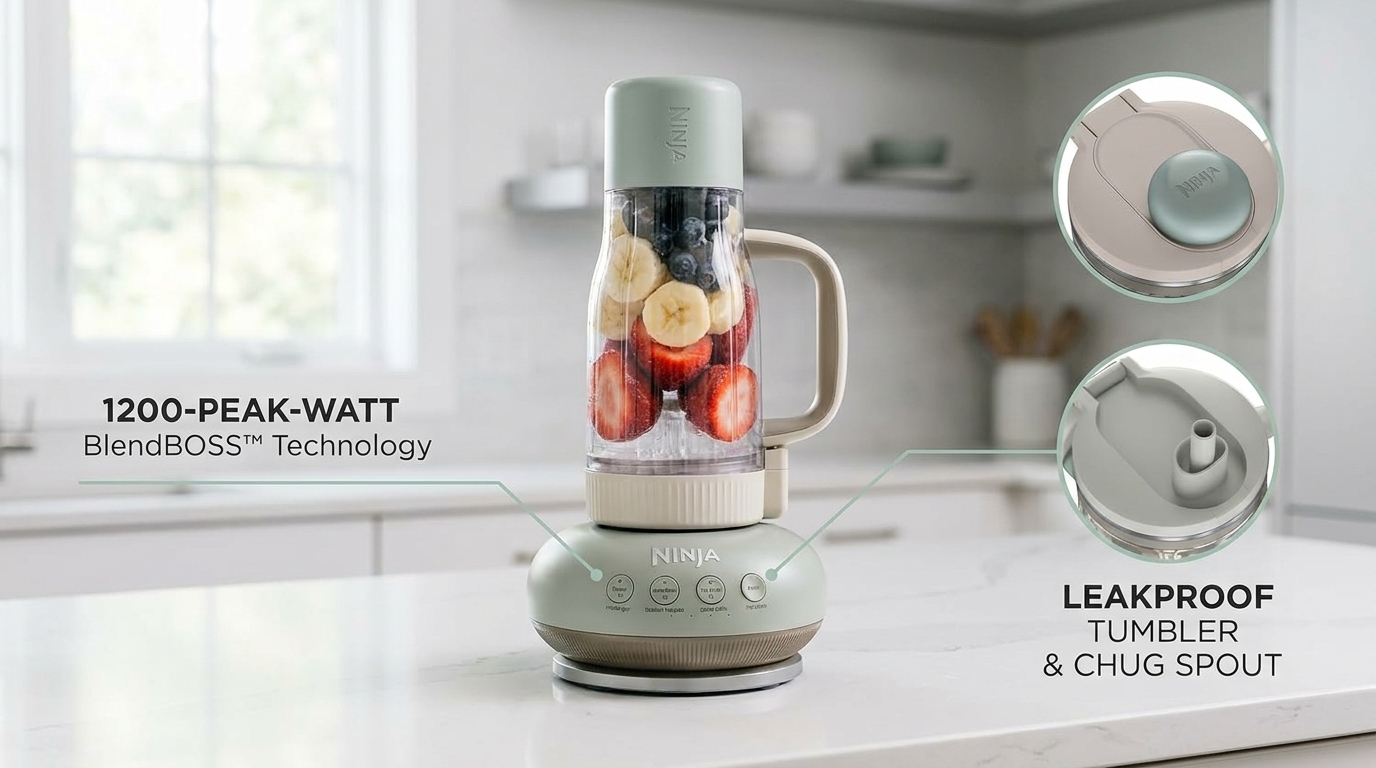
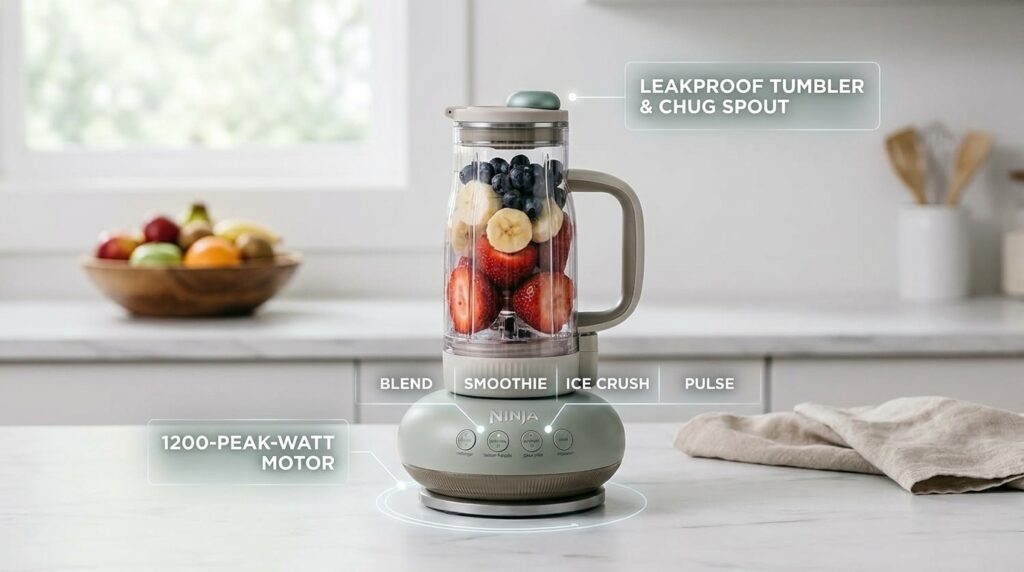
The Ninja BlendBOSS Personal Blender represents a particular approach to this category—emphasizing raw power through its 1200-peak-watt motor paired with a thoughtfully designed 26-ounce tumbler that doubles as both a blending vessel and a portable drinking container. This dual-purpose design philosophy has become increasingly common as consumers seek to reduce clutter and streamline their kitchens.
Understanding the features and capabilities of devices in this category helps consumers make informed decisions about whether a personal blender genuinely fits their lifestyle and what they should realistically expect from their investment.
Key Features Worth Understanding
Motor Power and What It Actually Means
The 1200-peak-watt specification represents the maximum power output of the motor during operation. Peak wattage differs from continuous wattage—it’s the burst of power the motor can deliver when tackling harder tasks. This distinction matters because it tells you something about how the blender handles challenging ingredients.
In practical terms, a higher-wattage personal blender typically processes ingredients more quickly and can handle tougher items like frozen fruit, ice, and seeds without bogging down. However, wattage alone doesn’t determine overall performance. Blade design, pitcher construction, and motor efficiency all contribute to what you actually experience when blending.
The 26-Ounce Tumbler Design
Personal blenders in this category typically come with tumblers ranging from 16 to 32 ounces. The 26-ounce capacity sits in the middle of this range, offering meaningful volume without becoming unwieldy. This size typically accommodates:
- A full serving of smoothie for most adults
- Coffee or tea preparations with room for add-ins
- Soups and other blended preparations
- Enough volume to justify the blending process without overflowing
The tumbler being part of the system rather than an accessory matters. It means you blend directly into your drinking vessel, which reduces cleanup and improves convenience. The leakproof construction prevents spills during transport—a feature that genuinely impacts usability when you’re moving between rooms or taking drinks in your car.
The Chug Spout and Detachable Straw
These details reflect how designers think about actual usage patterns. A chug spout allows for quick consumption without removing a lid completely, while a detachable straw offers an alternative drinking method. Different situations call for different approaches—some people prefer the direct sip method, others appreciate the straw option for keeping their hands free during commutes.
The fact that the straw detaches means it can be cleaned thoroughly and stored separately, addressing a common complaint about straw-equipped drinkware where straw residue accumulates and creates hygiene concerns.
Dishwasher Safe Components
This specification matters more than casual observers might realize. Blenders involve components that, if hand-washed, require effort and careful attention. Dishwasher-safe parts mean:
- The tumbler can go directly into the dishwasher for cleaning
- Less daily friction around cleanup encourages consistent use
- Less likelihood of hand-washing damage or missed spots
However, not all blender components are typically dishwasher safe—motor bases and control panels almost never are. Understanding which specific parts can go in the dishwasher prevents mistakes and extends the product’s lifespan.
Exploring Practical Applications
Morning Beverage Preparation
The most obvious application remains relevant precisely because it works well. Creating a nutritious beverage in your drinking container takes minimal time and effort once you’ve assembled your ingredients. People use personal blenders for:
- Fruit smoothies with yogurt, milk, and protein powder
- Green smoothies incorporating leafy vegetables
- Overnight oat preparations that need blending
- Coffee-based drinks like homemade frappuccinos
The speed of a 1200-peak-watt motor means most beverage-type preparations complete in under a minute, which matters during morning routines when every second counts.
Ice-Based Frozen Preparations
The specification that the blender “crushes ice to snow” addresses a common frustration with underpowered personal blenders that struggle with anything more challenging than soft fruit. The ability to process ice efficiently enables:
- Smoothie bowls with finely crushed ice as a base
- Frozen drinks and cocktail preparations
- Shaved ice for snow cone-style treats
- Slushie-type beverages
Many underpowered blenders either jam up with ice or produce rough chunks rather than the fine, snow-like consistency that creates pleasant texture in cold beverages.
Creating Homemade Nut Butters and Pastes
This application might seem ambitious for a personal blender, but many people successfully create small batches of nut butter for single servings or small portions. The process involves blending nuts for several minutes until natural oils release and create a creamy consistency. Doing this in a 26-ounce vessel works because:
- Batch sizes remain manageable
- You can store the result in the same tumbler
- Cleanup involves fewer dishes
This works best with nuts that process relatively quickly—almonds, cashews, and peanuts blend more easily than harder varieties like macadamia nuts.
Protein Shakes and Fitness-Related Beverages
Athletes and fitness enthusiasts frequently use personal blenders for preparing protein shakes and recovery drinks. The consistent power allows for thorough blending of protein powders without lumps, and the sealed tumbler means you can prepare drinks ahead of workouts without spillage concerns.
Grinding Coffee and Spices
While not every personal blender works equally well for this application, models with sufficient motor power can grind small amounts of coffee beans or spices. This works best if you’re using it occasionally rather than as your primary grinding method—the tumbler isn’t designed specifically for this use and can show wear from repeated grinding.
Preparing Soups and Hot Beverages
This application requires care and consideration. Some personal blenders can handle warm ingredients, though you should never blend extremely hot liquids as pressure builds inside the sealed vessel. The application generally involves:
- Blending already-cooked, cooled ingredients for soup
- Creating purees from roasted vegetables
- Making warm beverage bases that you heat separately
The sealed nature of the tumbler matters here—you wouldn’t heat the tumbler directly on a stovetop, but you could blend cooled ingredients and then transfer to a pot for warming.
Identifying Your Actual Needs: Who Benefits Most
Personal blenders serve different purposes for different people. Recognizing which category actually describes your situation helps determine whether this type of appliance makes sense for your household.
Active Individuals and Fitness Enthusiasts
People who regularly consume protein shakes, recovery smoothies, or pre-workout beverages find personal blenders particularly valuable. The convenience of preparation and the portability of the tumbler align well with active lifestyles. Gym-goers frequently appreciate blending their drink and carrying it away, complete with a sealed lid.
People with Limited Kitchen Space
Urban dwellers, students, and anyone managing minimal counter space often prefer personal blenders to full-size models. The compact footprint represents genuine value when space constraints exist. The tumbler doubling as storage means less ongoing clutter.
Individuals Eating Alone or in Small Households
Personal blenders shine when you’re primarily preparing single servings. Families blending for multiple people simultaneously might find larger models more efficient, but for one or two people, personal blenders waste no energy processing excess volume.
Commuters and Travel-Oriented People
The sealed tumbler that serves as both blending vessel and drinking container makes personal blenders popular with people on the move. This includes parents managing school-run schedules and professionals working between multiple locations.
People Seeking to Increase Fruit and Vegetable Intake
Personal blenders make consuming whole vegetables simpler—you can disguise leafy greens or other vegetables in smoothies with fruit and yogurt. The relatively quick preparation time encourages people to actually follow through with this intention rather than defaulting to faster, less nutritious options.
Those Experimenting with Different Dietary Approaches
Whether someone is exploring smoothie-based diets, trying new fitness nutrition protocols, or simply experimenting with ingredient combinations, a personal blender provides an accessible tool for experimentation without the expense and space requirements of a full-size appliance.
Important Considerations Before Purchasing
Realistic Expectations Around Noise
All blenders produce noise during operation—the motor and spinning blades create sound that many find jarring, especially early in the morning. A 1200-peak-watt motor produces a specific sound signature that’s unlikely to be quiet. If noise is a significant concern in your living situation, that’s worth factoring into your decision.
The Reality of Cleanup and Maintenance
Despite being called “easy cleanup,” blenders still require attention. Dried smoothie residue can solidify around the blade assembly, making thorough rinsing necessary after use. Items like nut butter or frozen fruit can be stubborn. The dishwasher-safe tumbler simplifies matters, but blades and motor bases typically require hand washing and care.
Storage Space Requirements
Even though personal blenders are compact, they still need a home in your kitchen. Under-cabinet space, pantry shelves, or countertop placement all require consideration. If your kitchen is already operating at capacity, finding space for a new appliance might be problematic.
The Learning Curve for Ingredients and Ratios
Creating well-balanced smoothies and other blended preparations involves some learning. Too much liquid produces a thin consistency; too little and you strain the motor. Understanding ingredient proportions—how much frozen fruit to liquid, when protein powder works well, what combinations taste good—develops through experience and occasional failed experiments.
Power Considerations for Consistent Performance
Personal blenders perform best when well-maintained. Accumulated residue in motor vents or around seals can reduce efficiency. Regular light cleaning beyond just the tumbler keeps the device functioning optimally over time.
Compatibility with Your Existing Kitchen Equipment
Consider whether a personal blender fits your overall kitchen approach. If you already own a full-size blender that handles most needs, adding a personal model represents redundancy unless you specifically value the portability aspect.
Understanding Personal Blenders in Broader Context
How They Compare to Full-Size Blenders
Full-size blenders typically feature larger pitchers (40+ ounces), more powerful motors, and multiple speed settings. They excel at processing large batches and handle more diverse applications. Personal blenders trade capacity for convenience and portability. Full-size models make sense if you’re blending for multiple people simultaneously; personal blenders serve those making individual portions.
Versus Immersion Blenders
Immersion blenders (hand blenders) offer different advantages—they work directly in bowls, pots, and glasses without requiring transfer. However, they require something to blend into and lack the enclosed environment that personal blenders provide. Immersion blenders work well for soups and sauces; personal blenders excel at smoothies and frozen preparations.
Against Dedicated Juicers
Juicers extract liquid from produce, separating pulp. Blenders create smoothies that retain fiber from whole fruits and vegetables. The nutritional profiles differ significantly. Juicers are specialized equipment for specific purposes; blenders are more versatile across applications.
In Relation to Coffee Grinders and Food Processors
Some people wonder whether a personal blender can replace other small appliances. While it can handle certain grinding tasks and food processing, dedicated equipment typically outperforms general-purpose blenders for specialized applications. A personal blender works as a supplement or backup tool rather than a replacement.
Common Questions About Personal Blenders
How long do personal blenders typically last?
With regular maintenance and reasonable use, quality personal blenders often function well for three to five years. Factors affecting longevity include how frequently you use the device, whether you’re pushing it to its limits with very hard ingredients, and how well you maintain it. Seal degradation and motor wear represent the most common reasons devices eventually fail.
Can you heat ingredients in a personal blender?
Most personal blenders can handle warm (not hot) ingredients. However, blending extremely hot liquids creates pressure inside the sealed container, which is dangerous. The general guidance is to let ingredients cool before blending, or blend room-temperature ingredients that won’t generate excessive heat through friction. Never blend boiling water or extremely hot soups.
How much should you fill the tumbler?
Most manufacturers recommend filling to a certain line marked on the tumbler. Underfilling can make blending less efficient; overfilling can cause spillage when the lid is removed. Generally, filling to about three-quarters capacity works well for most preparations.
Is a 1200-peak-watt motor really necessary?
This depends on your intended use. If you primarily make soft smoothies with room-temperature ingredients, a lower-wattage motor functions fine. If you regularly blend ice, frozen fruit, or denser ingredients, higher wattage makes the task easier and faster. Think about what you’ll actually blend most frequently.
Can you use it for nut butters?
Yes, though it requires patience. Processing nuts into butter takes several minutes of continuous blending as the natural oils gradually release. This works best with smaller batches—the 26-ounce capacity makes single servings feasible. Macadamia nuts and other very hard varieties take longer than softer options like cashews.
How does portability work in practice?
The sealed tumbler with integrated lid means you can blend, cap the tumbler, and carry it with you. The built-in straw or chug spout allows drinking without removing the lid. This matters for commuters, gym-goers, or anyone moving between locations. The portability advantage diminishes if you’re primarily using the blender at home.
What about frozen fruit versus fresh?
Frozen fruit blends just as well as fresh and offers some advantages—it’s often cheaper, available year-round, and creates naturally colder smoothies without requiring added ice. Some people prefer the texture that frozen fruit produces. Both work perfectly well in personal blenders.
Is there a risk of damaging the motor with ice?
Quality personal blenders are designed to handle ice. The issue isn’t one specific use causing damage but rather continuous strain from consistently overloading the motor with very hard items. Using the blender as designed—including ice in normal batches—poses no special risk.
Can you make hot soup in a personal blender?
Not without caution. You could blend pre-cooked, cooled ingredients to make a smooth soup base, then transfer to a pot for heating. You shouldn’t blend very hot ingredients because steam and pressure build up inside the sealed tumbler. The risk isn’t the blender’s capacity but the safety of internal pressure.
Final Thoughts on Personal Blender Selection
Choosing a personal blender involves assessing your actual needs rather than aspirational ones. Many people purchase kitchen equipment imagining how they’ll use it, only to find their real habits differ. Considering whether you’ll realistically use a personal blender daily, several times weekly, or occasionally informs whether the investment makes sense.
The Ninja BlendBOSS Personal Blender represents a straightforward approach to the category—a powerful motor paired with a practical tumbler design that prioritizes convenience and portability. The 1200-peak-watt motor handles common applications efficiently. The leakproof tumbler with integrated straw and chug spout addresses real usability concerns that emerge from actual daily use.
Personal blenders have legitimate applications in many kitchens, particularly for individuals or small households preparing single servings. They excel at smoothies, protein shakes, frozen beverages, and other applications where convenience and portability matter. They’re not replacements for full-size blenders in households blending for multiple people, nor do they substitute for specialized equipment optimized for specific tasks.
The decision ultimately depends on whether the characteristics that define personal blenders—compact size, portability, and quick single-serving preparation—align with how you actually live and eat.