Introduction
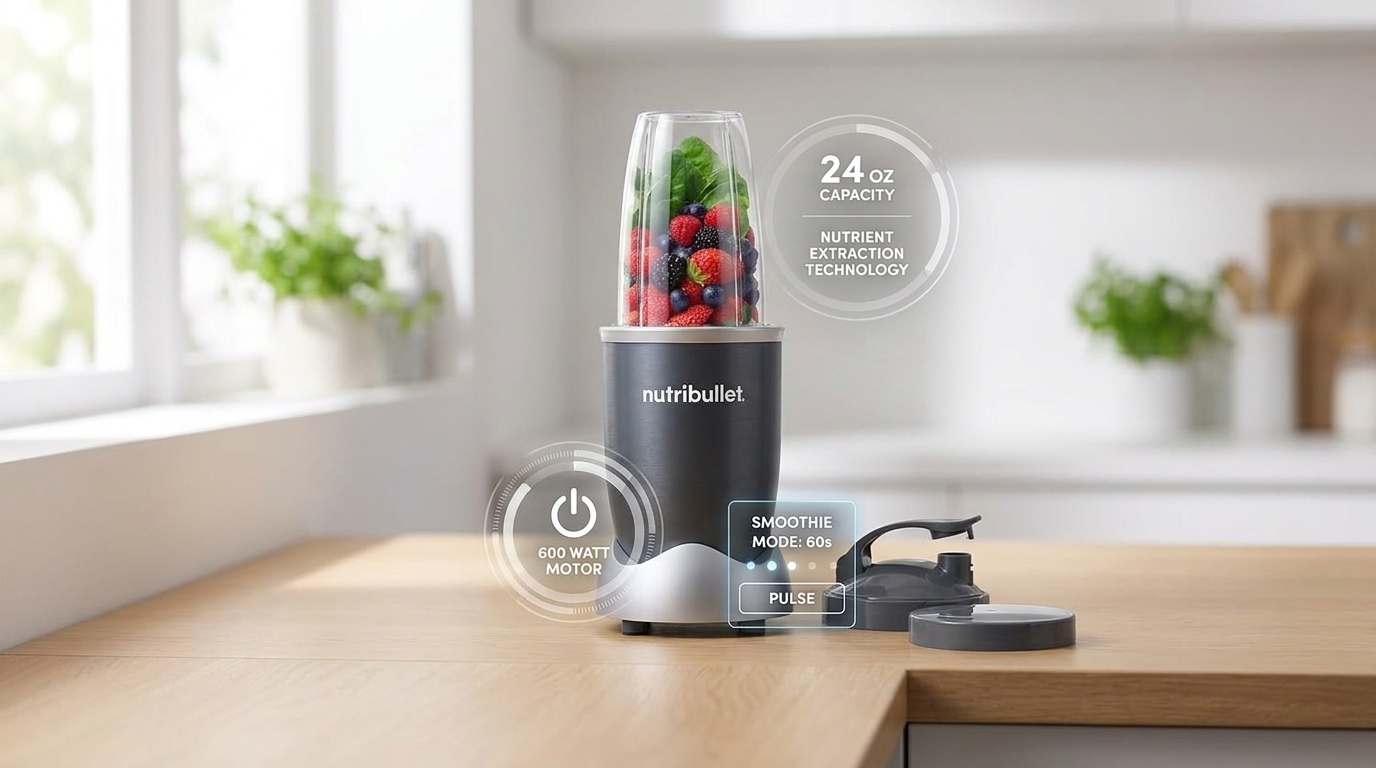
The kitchen appliance landscape has evolved dramatically over the past decade. Where once a full-sized blender was considered a luxury, today’s personal blenders have become practical tools for people managing busy lifestyles, fitness goals, or simply those looking to streamline their food preparation. The Nutribullet personal blender, specifically the 24-ounce model with 600 watts of power, represents a particular category of kitchen equipment designed to solve specific problems rather than serve as a catch-all solution.
Before diving into what makes this appliance interesting, it’s worth understanding what personal blenders actually do and where they fit in the broader context of kitchen tools. This article explores the features, practical applications, and realistic considerations that come with this type of equipment. Whether you’re researching blenders for the first time or comparing options, understanding the specifics of how a personal blender functions will help you make an informed decision about whether this tool serves your actual needs.
What Defines a Personal Blender
Personal blenders represent a distinct category within the blending world. Unlike full-sized countertop blenders that can handle large batches and heavy processing jobs, personal blenders are engineered around a simpler premise: processing smaller quantities of ingredients quickly and efficiently.
The 24-ounce capacity sits squarely in the personal blender territory. This size is designed to accommodate a single serving to perhaps two modest servings of blended foods. The power rating of 600 watts provides sufficient energy to break down softer ingredients and handle frozen components without requiring industrial-strength motor power.
What distinguishes personal blenders from food processors or immersion blenders is their approach to blending. They use a high-speed blade system contained within a cup or vessel, creating a vacuum-like environment that breaks down ingredients through a combination of blade velocity and directional flow. This mechanism makes them particularly effective at creating smooth textures from fruits, vegetables, and other ingredients, though their smaller capacity and power output mean they have limitations compared to larger appliances.
Key Features and Specifications
The 600-Watt Motor
The motor specification represents a meaningful detail worth understanding. Six hundred watts of power sits in the middle range for personal blenders. It’s sufficient to handle typical smoothie-making tasks: breaking down fresh fruits, processing leafy greens, incorporating frozen ingredients, and mixing liquids into creamy beverages.
This power level has practical implications. Higher wattages aren’t inherently “better” for all applications. More power means faster processing and the ability to handle denser ingredients, but it also typically translates to more noise and potentially higher heat generation. For someone blending soft fruits and frozen elements, 600 watts represents an effective balance between processing capability and practicality.
The 24-Ounce Capacity
The 24-ounce volume measurement refers to the total capacity of the blending cup. In practical terms, this means you’re working with the maximum fill line several ounces below the rim, typically around 18-20 ounces of actual blendable content. This size is deliberate: it’s large enough to create substantial servings yet small enough to maintain processing efficiency.
The capacity question matters more than casual shoppers might think. A 24-ounce cup won’t accommodate doubling a recipe or creating multiple servings simultaneously. If you’re making smoothies for a household or batch-processing ingredients for meal prep, you’ll need to work in batches or consider whether a larger blender better suits your workflow.
The Dark Gray Finish and Aesthetic Design
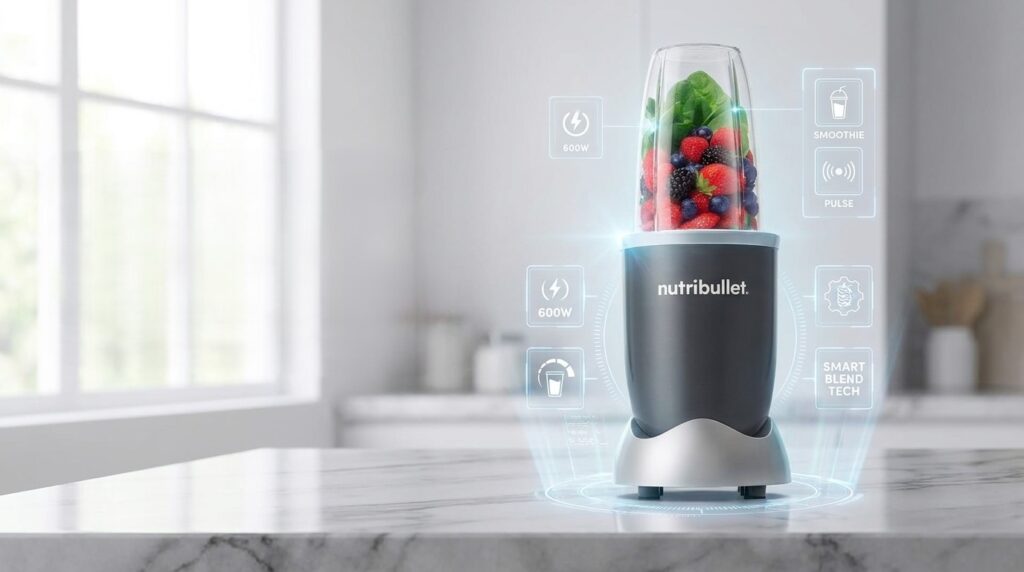
The color and design are neither superficial nor merely aesthetic. Appliances sitting on kitchen counters become part of the visual environment. The dark gray finish described as part of the NBR-0601WM model reflects contemporary kitchen design preferences, moving away from purely white or chrome finishes toward more neutral tones that coordinate with various décor styles.
The physical design of personal blenders also affects usability. The footprint, the position of controls, and how the cup interfaces with the motor base all influence how well the appliance integrates into a working kitchen space. A compact profile means it can fit on shelves or in cabinets more easily than larger appliances.
How Personal Blenders Are Actually Used
Understanding the practical applications helps clarify whether this type of blender matches your needs. Personal blenders excel at specific tasks and have clear limitations in others.
Smoothie and Shake Preparation
The most common use for personal blenders is preparing individual beverages—smoothies, protein shakes, and nutritional drinks. The volume is perfect for this purpose. You can combine frozen fruits, liquids, protein powder, and other ingredients, blend to a desired consistency, and drink directly from the cup or transfer to a glass.
The frozen blending capability mentioned in the product description carries real significance here. Frozen fruits and ice require sufficient blade velocity and motor power to process effectively. Six hundred watts provides adequate strength for typical home freezer items. This enables smoothie-making without creating chunks of unblended ice or incomplete incorporation of frozen fruit.
Cold Beverage Integration
Related to smoothies but distinct in approach are protein shakes and cold beverages that don’t involve freezing. Mixing protein powder into liquid, creating chocolate milk, or making coffee-based drinks represents a broader beverage category where personal blenders offer efficiency. The cup design often integrates well with drinking, making the blender vessel itself a serving container.
Sauce and Condiment Preparation
Many people use personal blenders for smaller batches of sauces, dressings, and condiments. Making a small amount of pesto, salsa, or vinaigrette represents a practical application that doesn’t require a full-sized food processor or blender. The 24-ounce capacity works well for these preparations, which rarely need enormous quantities.
Nut Butter and Paste Creation
Personal blenders can process nuts, seeds, and dried fruits into butters and pastes, though this requires patience and understanding of the machine’s capabilities. The motor works by breaking down particles until oils release naturally. Smaller batches (a personal blender quantity) actually process more efficiently than attempting the same job in a larger appliance. Expectations matter here: you’re not creating commercial quantities, but rather small batches for personal use.
Soup and Hot Beverage Blending
Some personal blenders can process hot ingredients or create friction heat sufficient to warm blended soups. This capability varies depending on the specific design and motor power. For the NBR-0601WM model specifications, while it can handle warm (not boiling) ingredients, the primary design centers on cold processing. High-temperature blending requires careful verification of manufacturer specifications.
Spice and Ingredient Grinding
Smaller dry ingredients—spices, dried herbs, seeds for grinding into powders—represent a use case where personal blenders provide convenient options without requiring separate spice grinders or mortar and pestle tools. The smaller chamber means you’re not left with excess and can achieve consistent texture more quickly.
Frozen Dessert Preparation
Beyond smoothie applications, personal blenders enable creation of frozen treats: sorbet-like preparations from frozen fruits, frozen coffee drinks, and similar applications. The frozen blending capability becomes particularly relevant here, as the appliance must handle solid or partially frozen ingredients.
Who This Appliance May Be Suitable For
Matching an appliance to actual lifestyle and needs matters more than general popularity or feature lists. Personal blenders work well for specific situations and may be less appropriate for others.
Individual Professionals and Students
People living alone or managing solo meal preparation often find personal blenders particularly practical. Quick breakfast smoothie preparation, single-serve protein shakes, or individual lunch components align naturally with the volume capacity and single-use design.
Fitness and Wellness Enthusiasts
Those managing structured fitness routines, following specific nutrition protocols, or creating regular protein shakes and recovery beverages often integrate personal blenders into their daily routine. The dedicated, efficient nature of the appliance supports consistency without the complexity of operating larger equipment for minimal quantities.
People with Limited Kitchen Space
Apartment dwellers, those with compact kitchens, or anyone managing limited counter and storage space benefit from the compact footprint of personal blenders. The ability to keep the device accessible without consuming substantial space matters practically.
Home Gardeners and Produce Enthusiasts
Those managing regular fresh produce harvests or experimenting with various fruits and vegetables often use personal blenders for processing and incorporating excess produce into drinks, sauces, and other preparations.
Health-Conscious Cooks Managing Dietary Protocols
People following specific diets—smoothie-heavy approaches, plant-based protocols, or nutrient-focused eating—often incorporate personal blenders as part of their regular kitchen tools.
Trial and Experimentation Minded Cooks
Blending represents an entirely different food preparation method than chopping, sautéing, or baking. People interested in expanding their culinary techniques or creating new textures and preparations benefit from accessible blending tools.
Important Considerations Before Purchasing
Understanding limitations and realistic expectations prevents frustration after purchasing.
Volume and Batch Processing Limitations
The 24-ounce capacity is final. If you frequently cook for multiple people, need to prepare large-quantity sauces or syrups, or want to batch-process ingredients, this size becomes a limitation rather than a feature. Some people find themselves needing to blend in multiple batches, which changes the practical workflow.
Durability and Long-Term Use
Personal blenders undergo significant stress during operation. The high-speed blade system and motor generate substantial forces in a compact space. Over extended use, components can wear. Understanding warranty terms, availability of replacement parts, and manufacturer support helps evaluate long-term value and reliability.
Heat Buildup During Extended Processing
Smaller motors in compact spaces can generate heat during extended processing. Blending for several minutes continuously may cause temperature increases in the motor and base. This typically isn’t dangerous but becomes relevant for people processing nuts or other ingredients requiring longer blending times. Most manufacturers recommend taking breaks during extended processing.
Noise Generation
Personal blenders are not quiet appliances. The high-speed blade system creates significant noise—typically 80 decibels or higher depending on the specific model and load. This matters if you’re blending early in the morning in a shared space or have neighbors nearby.
Cleaning and Maintenance
The motor base of personal blenders cannot be submerged or extensively rinsed. The actual cup and blade assembly typically separate and can be cleaned normally, but the base requires careful wiping and minimal moisture exposure. For someone who dislikes appliance maintenance or has mobility limitations affecting cleaning capability, this represents a practical consideration.
Processing Capability Boundaries
Personal blenders handle frozen fruits, normal produce, and typical pantry ingredients well. Dense materials (thick nut butters in large quantities, whole grains for flour, ice cream), extremely hot ingredients, or specialty applications may push beyond the appliance’s designed capabilities. Understanding what the appliance does well helps set realistic expectations.
Cord and Power Requirements
A 600-watt personal blender requires reliable electrical access. Unlike larger kitchen appliances that might justify permanent electrical installations, personal blenders typically use standard outlets. Cord length and storage considerations affect practical usability in various kitchen layouts.
Personal Blenders in the Broader Appliance Context
Understanding where personal blenders fit among available options clarifies whether this particular tool makes sense for your situation.
Personal Blenders Versus Full-Sized Countertop Blenders
Full-sized countertop blenders (60-80 ounces or larger capacity, 1000+ watts) handle batch processing, hot blending, heavier ingredients, and continuous commercial use. They’re more expensive, consume more counter space, and represent overkill for individual smoothie preparation. The trade-off is processing power and capacity; the advantage of personal blenders is efficiency and space.
Someone preparing smoothies for a family of four benefits from a full-sized blender’s batch capacity. Someone making occasional single-serve smoothies benefits from the simplicity and efficiency of a personal blender.
Personal Blenders Versus Food Processors
Food processors handle chopping, slicing, and discrete processing of ingredients differently than blenders. They’re better for maintaining texture and creating preparations requiring precision cuts or grinding dry ingredients. However, food processors don’t create the smooth, integrated textures that blenders produce. The two appliances serve different functions; choosing between them depends on your primary preparation needs.
Personal Blenders Versus Immersion Blenders
Immersion blenders (handheld stick blenders) offer portability and work directly in pots, pitchers, or containers. They handle blending within existing vessels without requiring transfer of ingredients. However, they lack the enclosed blade systems of personal blenders and typically create less uniform textures for complex beverages. Immersion blenders are practical for finishing soups or whipping cream; personal blenders excel at creating thoroughly integrated drinks and pastes.
Personal Blenders Versus Nutribullet Specifically
Nutribullet represents one brand within the personal blender category. Other manufacturers offer similar products at various price points. The design approach, warranty, available accessories, and brand reputation differ among options. Comparing specific models helps identify which features matter most to your use case and which brands align with your preferences and budget.
Frequently Asked Questions
How loud are personal blenders?
Personal blenders generate substantial noise during operation—typically 80-90 decibels depending on the specific model and ingredients being processed. This is normal and expected. The sound reflects the high-speed motor and blade system necessary for effective blending. Early morning or late evening use in shared spaces can be disruptive.
Can I blend hot ingredients?
The NBR-0601WM model can process warm (not hot) ingredients. However, personal blenders aren’t designed for extended hot blending. The motor and seals weren’t engineered for consistent high-temperature processing the way some specialty blenders are. Blending room-temperature or cool ingredients represents the normal use case.
How long does blending typically take?
Simple smoothies usually blend in 30-60 seconds. Frozen ingredients, denser mixtures, or preparations requiring very smooth texture might require 60-90 seconds. The small capacity processes relatively quickly because the motor doesn’t need to work through large volumes. Extending blending time beyond 2 minutes continuously can generate excess heat.
Can I use a personal blender for crushing ice?
Six hundred watts of power can handle small amounts of ice, particularly ice intended for smoothies or frozen drinks where partial blending into the final beverage is acceptable. Creating crushed ice as a standalone product (rather than as part of a blended beverage) represents a heavier workload. Attempting to process large quantities of ice rapidly or ice from commercial ice makers may stress the motor.
What’s the difference between 600 watts and higher-powered blenders?
Higher-powered blenders (1000+ watts) process faster, handle denser ingredients more efficiently, generate less heat, and typically produce smoother textures from challenging ingredients. The 600-watt range still accomplishes typical smoothie and beverage tasks competently but may require slightly longer blending times for certain ingredients and handles extended processing less tolerantly.
Do I need special liquid for blending?
No. Water, milk, juice, coconut milk, or any liquid works for blending. The type of liquid affects flavor and texture but doesn’t require special products. Some people prefer starting with liquid before adding other ingredients to ensure proper blade engagement, though this varies by personal preference and recipe.
Can personal blenders make nut butters?
Yes, though realistically in small quantities. Processing nuts until oils release naturally takes patience—typically 5-10 minutes with breaks for cooling. This represents a longer processing job than typical smoothie blending. The smaller volume creates denser resistance as oils concentrate, requiring tolerance for longer operational times. Expecting commercial-quality nut butter texture in a personal blender may create unrealistic expectations.
What ingredients damage personal blenders?
Extremely dense dry goods (whole grains for grinding flour, commercial ice without liquid), consistently hard ingredients (attempting to process frozen blocks of anything rather than smaller pieces), and extended hot blending stress personal blender motors. Following manufacturer guidelines about intended uses and taking appropriate breaks during extended processing prevents most damage.
How do I clean a personal blender thoroughly?
The cup and blade assembly typically separate and can be washed normally—many models work in standard dishwashers. The motor base requires careful wiping with a damp cloth, avoiding excessive moisture around electrical components or the base where the cup connects. For residual smoothie or paste ingredients, blending warm water and a small amount of dish soap, then thoroughly rinsing, provides effective cleaning without requiring soaking.
How long do personal blenders typically last?
Durability varies based on frequency of use, ingredient types, and how well usage guidelines are followed. Daily use might produce 2-4 years of service; occasional use could extend this to 5+ years. Motor burnout or seal degradation are common end-of-life issues. Manufacturer warranties typically cover 1-3 years; extended coverage options vary by retailer.
Practical Applications and Recipe Ideas
Understanding real-world applications helps visualize how a personal blender integrates into actual cooking routines.
Green Smoothies: Combining leafy greens, frozen fruit, liquid, and protein sources creates nutrient-dense breakfast drinks. The 24-ounce size accommodates substantial green portions without requiring large batches.
Recovery Protein Shakes: Post-workout beverages combining protein powder, frozen fruit, milk options, and sometimes grains blend into single-serve drinks efficiently. Personal blenders make preparation fast enough to use immediately after exercise.
Frozen Fruit Smoothie Bowls Base: Creating thick smoothie bases for bowl-style presentations (topped with granola, coconut, nuts) benefits from personal blender texture and single-serve sizing.
Quick Breakfast Preparations: Overnight oat blending, smoothie creation, or incorporating chia seeds and nutritional additions into morning drinks aligns naturally with personal blender use.
Small-Batch Sauces: Creating pesto, chimichurri, or other fresh sauces in personal blender quantities provides flexibility without excess preparation.
Hydration Drinks: Blending fresh lemon juice, ginger, and honey into water or other bases creates simple, fresh beverages quickly.
Soup Finishing: Blending portion of a soup to create creamy texture without full pureeing benefits from personal blender capacity and control.
Making an Informed Decision
Selecting any kitchen appliance ultimately requires honest assessment of your actual cooking patterns, kitchen space, and realistic usage. Personal blenders serve specific purposes efficiently. They’re less ideal for situations where batch processing, multiple servings, or extended processing represents your primary need.
The NBR-0601WM specifications—24-ounce capacity, 600-watt motor, dark gray finish—describe a straightforward, focused appliance designed to handle typical personal blending tasks competently. It’s neither the most powerful option available nor the least capable. The practical question becomes whether your anticipated use aligns with what this appliance is designed to do.
Conclusion
Personal blenders represent a meaningful category of kitchen tools for people whose preparation needs and living situations align with their design parameters. The Nutribullet NBR-0601WM model offers practical capacity, adequate power for standard blending applications, and an aesthetic that fits contemporary kitchen environments.
This appliance isn’t universally necessary; plenty of people prepare nutritious foods without it. Conversely, for people making regular smoothies, protein beverages, or quick sauces, the efficiency and simplicity of a personal blender creates genuine value in their daily routines.
The decision to purchase comes down to honest assessment: Do you regularly prepare single-serve blended foods? Does your kitchen space favor compact appliances? Will you actually use this tool consistently enough to justify the counter or storage space?
If you’ve determined that a personal blender genuinely matches your cooking needs and lifestyle, understanding the features and capabilities of this particular model helps ensure you’re selecting an appliance that will serve you well. You can check more details on Amazon here.